 English
  Português
Building complex software without documentation is like erecting a skyscraper without a blueprint: as long as the original team is on-site, the structure stands firm; the moment key engineers leave, the building risks collapsing with every new renovation.
In today’s fast-paced tech ecosystem, where code changes rapidly and continuous delivery is expected, technical documentation is still frequently treated as an afterthought in the Software Development Life Cycle (SDLC). Neglecting it leads not only to hard-to-read code, but also to a major operational bottleneck that costs companies dearly.

The Documentation Paradox: Why Everyone Wants It, But No One Does It
Software documentation lives in a constant state of contradiction within corporate environments: managers, architects, and developers all agree it is indispensable, yet they rarely prioritize it in their day-to-day routines. This happens for four primary reasons:
-
Pressure for Speed (Time-to-Market): The urgency to push new features to production causes documentation to be pushed to a “future sprint” that almost never arrives.
-
Perception of Duplicate Work: Many developers view writing documentation as a distraction from their primary activity, which is writing code.
-
Trauma from Past Bureaucracy: Traditional development models (Waterfall) created a justifiable aversion to lengthy Word documents or static, hundreds-of-pages-long PDFs that were obsolete the moment they were printed.
-
The Illusion of “Self-Documenting Code”: There is a mistaken belief that writing clean code eliminates the need to record why certain business rules were implemented in a specific way.

The Hidden (and Expensive) Risks of Undocumented Software
Ignoring technical records turns software into a black box. As the application grows, the absence of historical context creates direct financial and operational headaches for the company.
-
Key-Person Dependency (Bus Factor): When system knowledge exists only inside the heads of two or three developers, the business becomes captive to those individuals. If they leave the organization, critical domain knowledge leaves with them.
-
Slow Onboarding and High Ramp-Up Costs: New team members take weeks (or months) to deliver real value because they must deduce system logic by digging through source code.
-
Rework and Business Rule Bugs: Without clear requirement specifications, any system modification risks breaking established business rules, resulting in rework and customer dissatisfaction.
-
Technical Lock-In: When hiring software houses or consultancies lacking rigorous documentation processes, the client becomes trapped with that vendor, as no other team can take over the project without astronomical migration costs.
Consolidated research from the Standish Group (CHAOS Report) indicates that failures in requirements definition and structured planning account for over 30% of software project disruptions or failures. When documentation is neglected, the Total Cost of Ownership (TCO) of the software skyrockets.
Key Types of Documentation Every Project Needs
Not all documentation is created equal, and each type serves a specific audience and objective within an organization. To ensure efficiency without adding unnecessary overhead, a mature project should focus on four key pillars:
| Documentation Type | Target Audience | Key Contents | Primary Benefit |
| Requirements Documentation | Product Owners, Analysts, Devs, QA | User stories, acceptance criteria, and business rules. | Prevents misunderstandings before a single line of code is written. |
| Architecture Documentation (ADRs) | Architects, Tech Leads, Devs | Component diagrams, technical decisions, and integrations. | Preserves historical context behind structural design choices. |
| API Documentation | Internal Developers & Partners | Endpoints, authentication, input/output parameters, and error responses. | Accelerates integration between systems and microservices. |
| Runbooks & Operations | Infrastructure & DevOps Teams | Deployment guides, backup routines, monitoring, and fallback procedures. | Drastically reduces Mean Time to Recovery (MTTR) during outages. |
The Silent Enemy: Misinterpreting the Agile Manifesto
One of the tech industry’s biggest myths stems from a flawed interpretation of the Agile Manifesto for Software Development. The statement “Working software over comprehensive documentation” was adopted by many teams as a license to document nothing.
However, the Agile Manifesto does not advocate for an absence of records; rather, it promotes eliminating useless, bureaucratic documentation that adds no value to the end product. Modern agility demands lean, living documentation that evolves alongside the code and helps the team make faster decisions.

Best Practices: Creating Useful Documentation (Without the Bureaucracy)
For documentation to keep up with the pace required by modern enterprises, it must be integrated directly into the engineering team’s daily workflow.
The Docs as Code Philosophy
The most modern approach in the market is to treat documentation files exactly like source code. This means storing documentation files (typically in Markdown format) inside the project repository itself. As a result, documentation undergoes Git version control, peer reviews (pull requests), and updates alongside system changes.
Recording Decisions with Architecture Decision Records (ADRs)
Documenting what the code does is important, but documenting the intent behind it is vital. ADRs are short, simple text files that log key architectural choices. They capture: the decision context, the chosen solution, and the consequences of that choice. If a new team member asks, “Why did we choose this database?”, the answer will be recorded in an ADR.
The Future of Documentation: How AI Transforms the Knowledge Base
The rise of Generative Artificial Intelligence has fundamentally changed how teams manage technical knowledge. AI does not replace strategic alignment, but it eliminates the manual labor of keeping documents up to date. AI-powered tools can now analyze code changes to auto-generate release note drafts, map test coverage, and act as virtual assistants answering onboarding developers’ questions about system architecture.
How NextAge Applies AI across the Development Lifecycle with NextFlow AI
With over 19 years of market experience and more than 600 delivered projects globally, NextAge developed a proprietary approach to ensure technical documentation works in favor of speed, not against it.
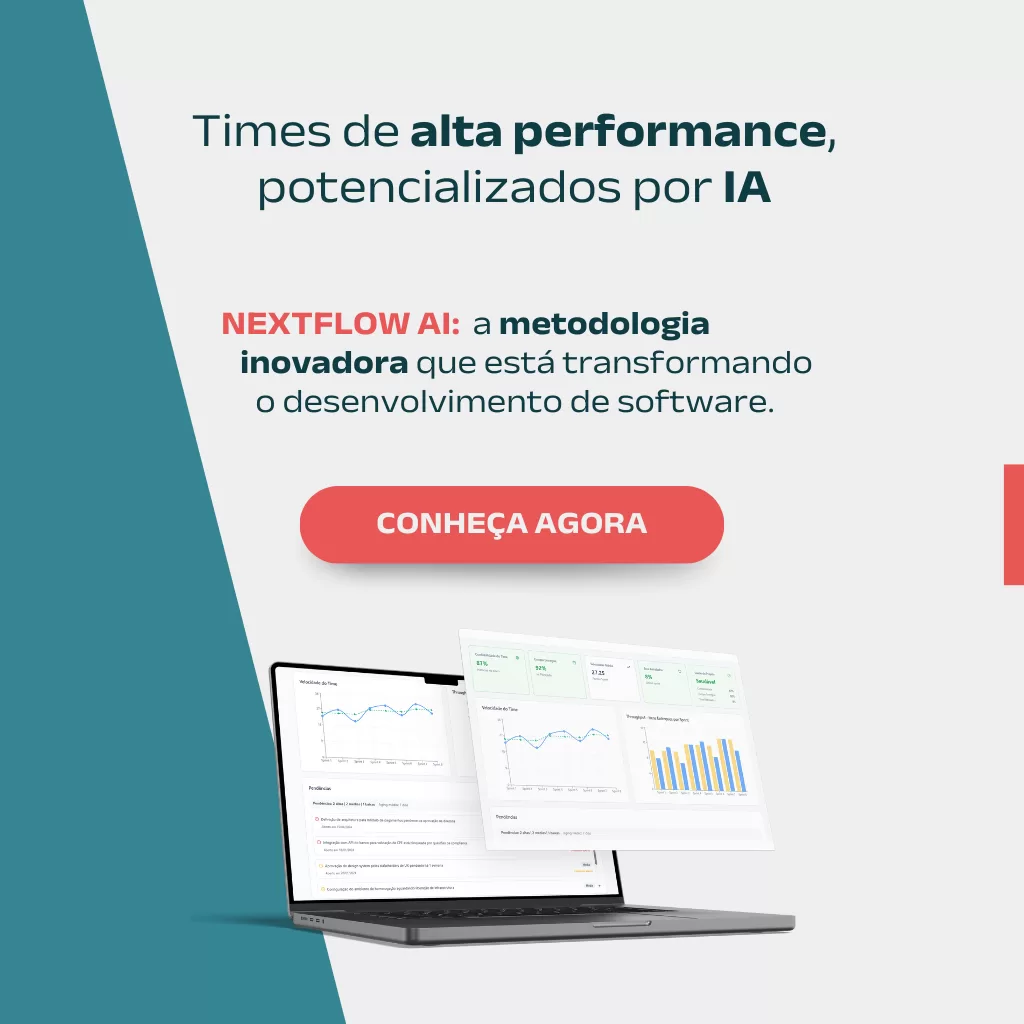
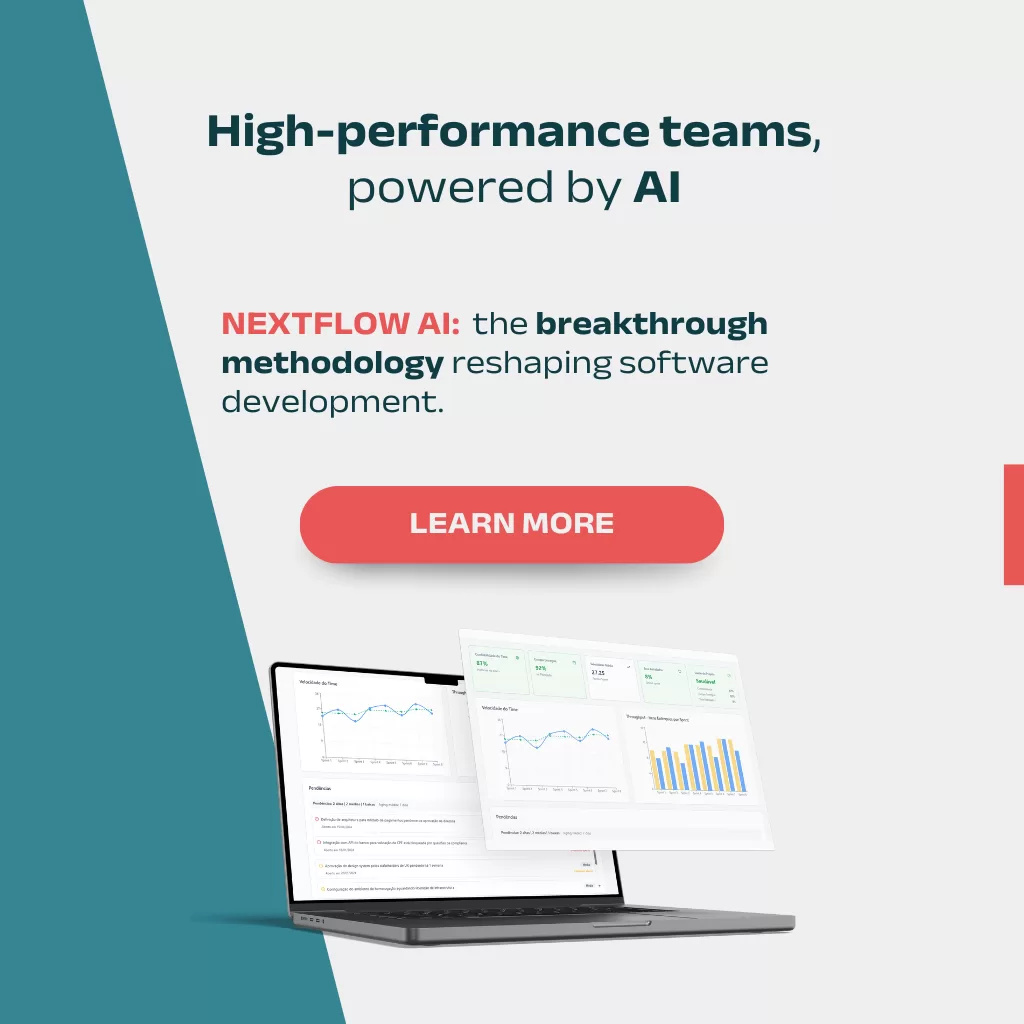
Through NextFlow AI, Artificial Intelligence is integrated directly into the Software Development Life Cycle (SDLC). The methodology acts from the conception phase—mapping requirements and identifying business gaps before coding begins—all the way to delivery, ensuring continuous generation of technical specifications and test coverage.
Consequently, NextAge’s software development services deliver robust systems backed by transparent, living documentation—ensuring clients maintain full ownership of technical knowledge and the freedom to scale with predictability.
Conclusion: Documentation Is Not an Expense, It Is a Strategic Asset
Undocumented software projects may yield short-term speed, but they accumulate technical debt that jeopardizes the business’s future. Documentation should not be viewed as a bureaucratic chore at the end of a project, but as an ongoing governance discipline that protects a company’s digital assets.
If your enterprise needs to build custom digital products, evolve legacy systems, or accelerate delivery with specialized engineering teams, explore NextAge Software Development Services and learn how we combine top-tier engineering, well-documented processes, and artificial intelligence to empower your business.