
Company specialized
in React
NextAge builds React applications with dedicated end-to-end teams. Since 2007, we have developed proprietary methodologies that reduce rework by up to 90%.
What does a React
development company deliver?
See the types of projects NextAge delivers with a dedicated squad, fixed scope and guaranteed SLA. Understand when React is the most solid technical choice for your roadmap.


Single Page Applications (SPAs)
React is the leading library for single-page applications with instant navigation and complex state. NextAge structures state management, routing and component architecture from the first sprint, avoiding the technical debt that stalls product evolution in year two.
Technologies: React 19, React Router, Redux Toolkit, Zustand, TanStack Query, Vite
Admin panels and data dashboards
Interfaces that need to render large volumes of data without losing performance require fine-grained rendering control. NextAge delivers panels with list virtualization, real-time updates and visualizations that support operational decisions.
Technologies: TanStack Table, Recharts, D3.js, WebSockets, React Virtual, Material UI
Server-rendered web applications (SSR/SSG)
When load performance and organic indexing are business requirements, React alone is not enough. NextAge implements SSR and static generation with Next.js, delivering Core Web Vitals in the green range and pages ready for traditional search and AI retrieval.
Technologies: Next.js, React Server Components, Vercel, ISR, streaming SSR
Design Systems and component libraries
Companies with multiple products lose speed when every team rebuilds the same interface. NextAge builds versioned, documented design systems that standardize the experience and shorten the delivery time of new screens in every cycle.
Technologies: Storybook, Radix UI, Tailwind CSS, shadcn/ui, Figma Tokens
Mobile applications with React Native
The same team and the same knowledge base serve web and mobile. NextAge builds iOS and Android apps with shared code, store publishing and a controlled update cycle, without maintaining two separate teams.
Technologies: React Native, Expo, React Navigation, Reanimated, CodePush
Migration of legacy front-ends to React
Interfaces in AngularJS, jQuery or old React versions stall hiring and delivery speed. NextAge performs incremental migration by routes or modules, keeping the system in production throughout the transition, with controlled risk and full predictability.
Technologies: micro front-ends, Module Federation, strangler pattern, TypeScript, automated regression tests
Back-end integration and API consumption
The quality of an interface depends on how it talks to the server. NextAge implements typed data layers, smart caching and handling of loading and error states, eliminating the inconsistency that generates support tickets.
Technologies: TanStack Query, Apollo GraphQL, tRPC, OpenAPI TypeScript, Zod
… and whatever else it takes for your digital transformation to happen now.
NextAge + React solutions
Proprietary methodologies and specialized services to maximize results in your React projects
Staff Augmentation
Allocation of specialist React teams. Unlike traditional outsourcing, you get senior front-end developers, front-end architects, tech leads and QAs, all managed by us. We guarantee continuous code review, strict typing with TypeScript and consistent component architecture standards.
Choose it to scale React teams without the risks of traditional staffing

Get the best React
developers on your project
Hundreds of React projects delivered
We have a solid React portfolio. Everything you need for software at the highest technical and strategic level.
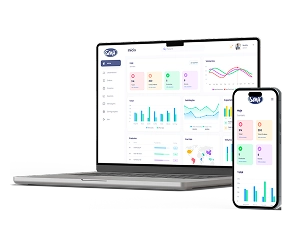

NextAge developed improvements and new features in React and C# for Senff's enterprise management system, restructuring queue-based processing routines and enabling the system's production deployment.




Want results like these in your company?
What sets our React
developers apart?
→ The differentials that made NextAge the number 1 choice of market leaders
Validated professionals
Our team is rigorously trained and validated before joining the project. You work with professionals who have already solved complex problems similar to yours.
Learning curve
Unlike traditional staffing, our teams are actively managed by us. Tech leads monitor developer performance and alignment with your goals, accelerating the learning curve.
Quality and testing culture
AI-powered automated testing, code review and CI/CD are part of our DNA. We deliver tested, production-ready code, reducing bugs and rework.
More agility
We adopt truly agile methodologies. Well-planned sprints, incremental deliveries and transparent communication. You follow progress in real time.
Knowledge as a foundation
Our React developers master the complete front-end ecosystem: TypeScript, Next.js, state management, automated UI testing, performance and accessibility. We deliver sustainable front-end architecture.
Cultural alignment
Our teams understand the context and culture of companies. Clear communication, productive meetings and natural alignment with technical and business stakeholders.

Why NextAge?
Founded in 2007, NextAge was born to make software development more disruptive, human, and effective.
Innovation has always been at our core. We revolutionized the technology market with Staff Augmentation, our exclusive methodology that brings up to 40% more productivity to teams.
And we didn't stop there! We went further with NextFlow AI, a new way of developing that combines AI and human expertise in every line of code.
Today, we are the partner that transforms complexity into clarity and accelerates your operation with the best talent.

Learn more →
Want to understand more about how NextAge can help your business? Explore articles from our blog, testimonials from our clients and our other services to carry out your digital transformation in the best way.
Loading content...