
Company specialized
in .NET
Scale your .NET team without the risk of turnover or lack of predictability. NextAge offers managed talent, with governance and delivery cadence from the first sprint.
What does a .NET
development company deliver?
See the types of projects NextAge delivers with a dedicated squad, fixed scope and guaranteed SLA. Understand when .NET is the most solid technical choice for your roadmap.


Back-end development
NextAge builds .NET back-ends with scalable architectures for web and mobile applications. The teams use ASP.NET Core to build high-performance systems with efficient integrations between services. The structure is designed to support demand growth without rearchitecting.
Technologies: ASP.NET Core, Entity Framework Core, SQL Server, PostgreSQL, MongoDB, Redis
API creation and integration
NextAge builds RESTful APIs in .NET for system integration and secure data exposure. Every endpoint is delivered with proper versioning and robust authentication via OAuth2 and JWT. Performance is validated before delivery, guaranteeing consistency under load.
Technologies: ASP.NET Web API, Swagger/OpenAPI, OAuth2, JWT, GraphQL, API Gateway
Web applications
NextAge builds complete web applications in .NET, combining a robust back-end with modern front-ends. The teams use ASP.NET Core MVC and Blazor to build responsive, easy-to-maintain interfaces. Integration with frameworks such as Angular, React and Vue.js guarantees flexibility in the presentation layer.
Technologies: ASP.NET Core MVC, Blazor, Razor Pages, Angular/React/Vue.js integration, Bootstrap
Legacy system modernization
NextAge migrates legacy .NET Framework systems to modern .NET without interrupting the client's operation. The process includes incremental refactoring and upgrades of obsolete frameworks, with each stage validated before the next. This approach controls migration risk and keeps the schedule predictable.
Technologies: .NET Framework to .NET 8+ migration, Docker containerization, Azure migration, incremental refactoring
Data processing
NextAge builds data processing and migration pipelines in .NET environments. The teams use Azure Data Factory and SSIS to turn large volumes of data into structured information. Power BI integrations connect that data directly to the business's strategic decisions.
Technologies: SSIS, Azure Data Factory, Apache Kafka, Elasticsearch, Power BI integrations
Enterprise system integration
NextAge integrates heterogeneous systems in enterprise environments using the .NET ecosystem. The teams orchestrate business processes with Azure Service Bus and BizTalk, synchronizing data across distinct platforms. Every integration flow is documented and traceable, eliminating operational blind spots.
Technologies: Azure Service Bus, MassTransit, BizTalk, message brokers, SOAP/REST web services
… and whatever else it takes for your digital transformation to happen now.
NextAge + .NET solutions
Proprietary methodologies and specialized services to maximize results in your .NET projects
Staff Augmentation
Allocation of specialist .NET teams. Unlike the traditional model, you get senior developers, .NET architects, tech leads and QAs focused on automated testing, all managed by us. We guarantee continuous code review and enterprise .NET architecture standards.
Choose it to scale .NET teams without the risks of traditional staffing

Get the best .NET
developers on your project
Hundreds of .NET projects delivered
We have a solid .NET portfolio. Everything you need for software at the highest technical and strategic level.
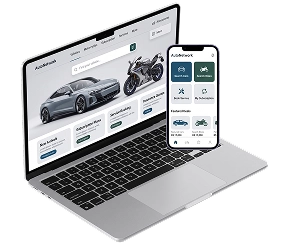

NextAge developed improvements and new features for Carrera's inventory, quotes and sales management system, including a full back-end migration from .NET 5 to .NET 8, raising the application's performance and scalability.
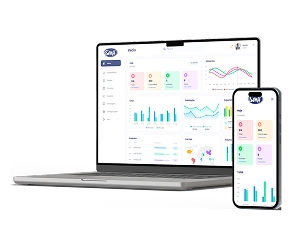

Want results like these in your company?
What sets our .NET
developers apart?
→ The differentials that made NextAge the number 1 choice of market leaders
Validated professionals
Our team is rigorously trained and validated before joining the project. You work with professionals who have already solved complex problems similar to yours.
Learning curve
Unlike traditional staffing, our teams are actively managed by us. Tech leads monitor developer performance and alignment with your goals, accelerating the learning curve.
Quality and testing culture
AI-powered automated testing, code review and CI/CD are part of our DNA. We deliver tested, production-ready code, reducing bugs and rework.
More agility
We adopt truly agile methodologies. Well-planned sprints, incremental deliveries and transparent communication. You follow progress in real time.
Knowledge as a foundation
Our .NET developers have experience with databases (SQL Server, PostgreSQL, Redis), cloud (Azure, AWS), DevOps (Azure DevOps, Docker, Kubernetes) and front-end integration (Angular, React, Blazor). A complete view of the ecosystem.
Cultural alignment
Our teams understand the context and culture of companies. Clear communication, productive meetings and natural alignment with technical and business stakeholders.

Why NextAge?
Founded in 2007, NextAge was born to make software development more disruptive, human, and effective.
Innovation has always been at our core. We revolutionized the technology market with Staff Augmentation, our exclusive methodology that brings up to 40% more productivity to teams.
And we didn't stop there! We went further with NextFlow AI, a new way of developing that combines AI and human expertise in every line of code.
Today, we are the partner that transforms complexity into clarity and accelerates your operation with the best talent.

Learn more →
Want to understand more about how NextAge can help your business? Explore articles from our blog, testimonials from our clients and our other services to carry out your digital transformation in the best way.
Loading content...