 English
  Português
Have you ever launched a new feature only to discover it had a bug a few hours later? Or worse, a security vulnerability that compromised customer data? The feeling is terrible, and so is the cost. NASA research on the use of static analysis tools has shown that finding and fixing defects before release drastically reduces the risks of serious incidents in production.
This is where static code analysis, or SAST (Static Application Security Testing), comes in. It works like that friend who reviews your text before you send it to the client, except it’s automatic, fast, and focused on security and quality. Let’s understand how this works in practice and why every team should use it.
What is Static Code Analysis?
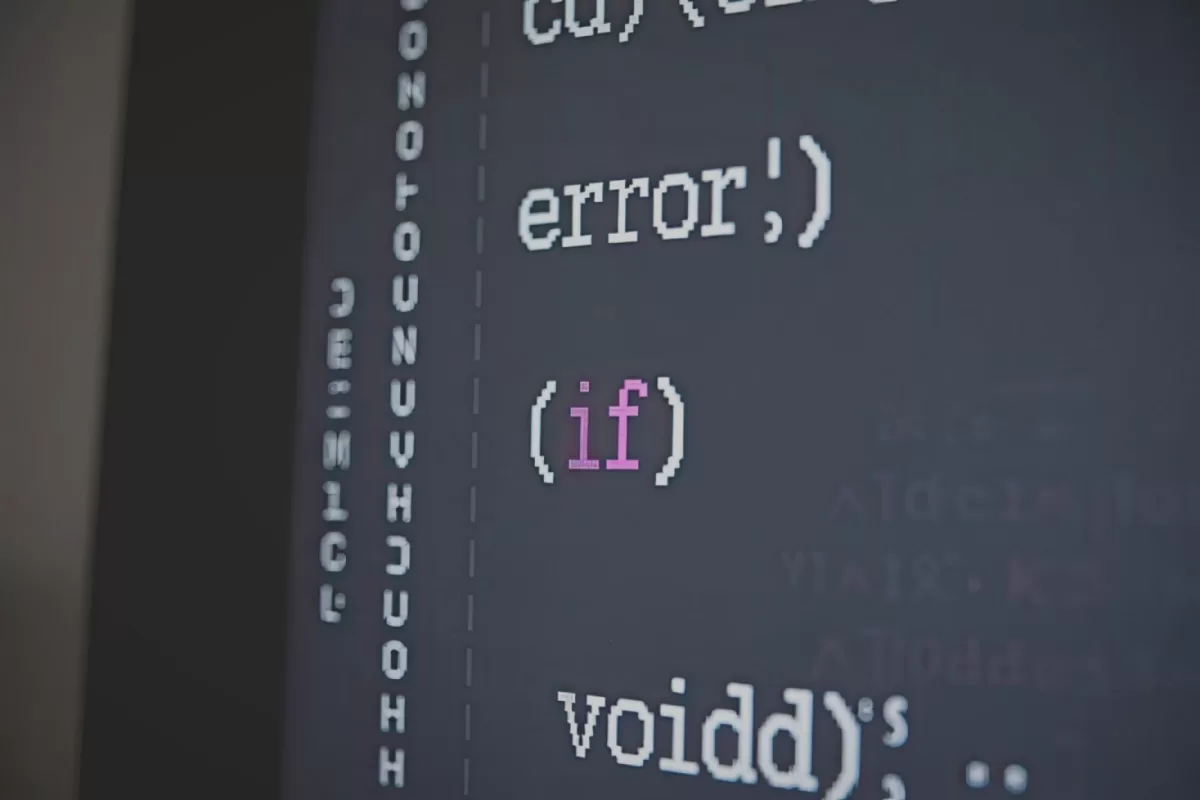
SAST is a technique that examines your application’s source code without needing to execute it. While you write (or right after), specialized tools scan every line looking for problematic patterns: security vulnerabilities, logic bugs, violations of best practices.
Think about the difference between reviewing a house’s blueprint before building it versus waiting for the house to be finished to discover the structure is compromised. Static analysis is the blueprint review. Dynamic analysis (DAST), on the other hand, tests the running application, simulating real attacks, both are important, each with its own role.
Why is it called “static”? Because the code is still, not running. The tool analyzes the program’s text, its structure and logical flow, without needing to compile or execute anything.

How SAST works in practice
Behind the tools’ friendly interface, there’s a technical process:
- Parsing and syntactic analysis: the tool reads your code and creates a structured representation of it, like a syntax tree.
- Pattern identification: with this in hand, SAST compares the code against a knowledge base of known vulnerabilities and programming bad practices. It looks for things like unvalidated user inputs, insecure functions, suspicious data flows.
- Report generation: each problem found becomes an item in the report, classified by severity (critical, high, medium, low).
- Pipeline integration: all of this should happen automatically during development, integrated into your CI/CD pipeline.
Imagine a developer wrote SELECT * FROM users WHERE id = ${userId} without validating the input. SAST detects this classic SQL injection pattern, flags it as critical, and points to exactly the problematic line before the code gets anywhere near production.
What SAST can detect
Modern tools identify an impressive variety of issues:
- Security vulnerabilities: SQL injection, cross-site scripting (XSS), sensitive data exposure, use of weak cryptographic functions, hardcoded passwords in the code. According to Wikipedia’s study on SAST, static analysis tools can detect about 50% of the existing security vulnerabilities in tested applications.
- Logic bugs: uninitialled variables, conditions that will never be true, dead code that will never be executed, possible null pointer exceptions.
- Standard violations: code that doesn’t follow the team’s conventions, overly complex functions, excessive duplication, formatting issues.
- Code smells and technical debt: those indicators that something might become a problem in the future, functions with too many parameters, very large classes, excessive coupling.
Now, it’s important to be realistic: SAST has limitations. It doesn’t catch problems that only appear at runtime, like race conditions or issues related to environment configuration. It also doesn’t identify business logic failures specific to your context. That’s why SAST works best as part of a comprehensive quality strategy.

Advantages of SAST
- Early detection = significant savings: the Verizon Data Breach Investigations Report (2024) recorded over 10,000 data breaches, showing that exploitation of vulnerabilities as an initial entry point nearly tripled compared to the previous year, accounting for 14% of all breaches. Finding these flaws during development costs infinitely less than dealing with a security incident.
- Fast feedback: developers receive alerts while the context is still fresh in their minds. Fixing a problem five minutes after writing the code is much easier than revisiting something weeks later.
- Automatic compliance: many sectors require specific security standards (PCI-DSS, HIPAA, LGPD). SAST helps ensure the code is compliant from the start.
- Continuous education: developers learn from the alerts. Over time, the team internalizes best practices and naturally reduces the number of issues.
- Risk reduction: fewer vulnerabilities in production means fewer chances of successful attacks, data leaks, and damage to the company’s reputation.
SAST in the context of modern software quality
Static analysis doesn’t live alone. It’s part of an approach called DevSecOps, where security is everyone’s responsibility from day one.

- Combining techniques: SAST finds problems in the code. DAST tests the running application. IAST (Interactive Application Security Testing) combines both, analyzing during execution. SCA (Software Composition Analysis) checks for vulnerabilities in third-party libraries.
- Shift-left: push security and quality to the beginning of the development cycle. The earlier you detect, the easier and cheaper it is to fix. SAST is fundamental to this strategy.
- Intelligent automation: modern tools use AI to reduce false positives, suggest automatic fixes, and prioritize the most relevant findings.
Quality isn’t just a tool, it’s culture. SAST works best when the team understands the value, is trained to interpret the results, and has the autonomy to prioritize fixes without pressure solely for delivery speed.

NextAge and the Culture QA in software development
At NextAge, we understand that software quality begins long before the first line of code. Our team dives deep into the client’s business model to ensure the product is viable, scalable, and secure from conception.
For software development, our Quality Center services go beyond the traditional. We combine QA specialists with automation powered by Artificial Intelligence to detect flaws early.
With NextFlow AI, we further enhance this vision. Our exclusive methodology integrates AI into the project lifecycle, allowing developers to identify and fix problems faster. This means less time rewriting code and more time solving business problems.
Talk to NextAge and discover how we can help your project have the quality it deserves from the first line of code.